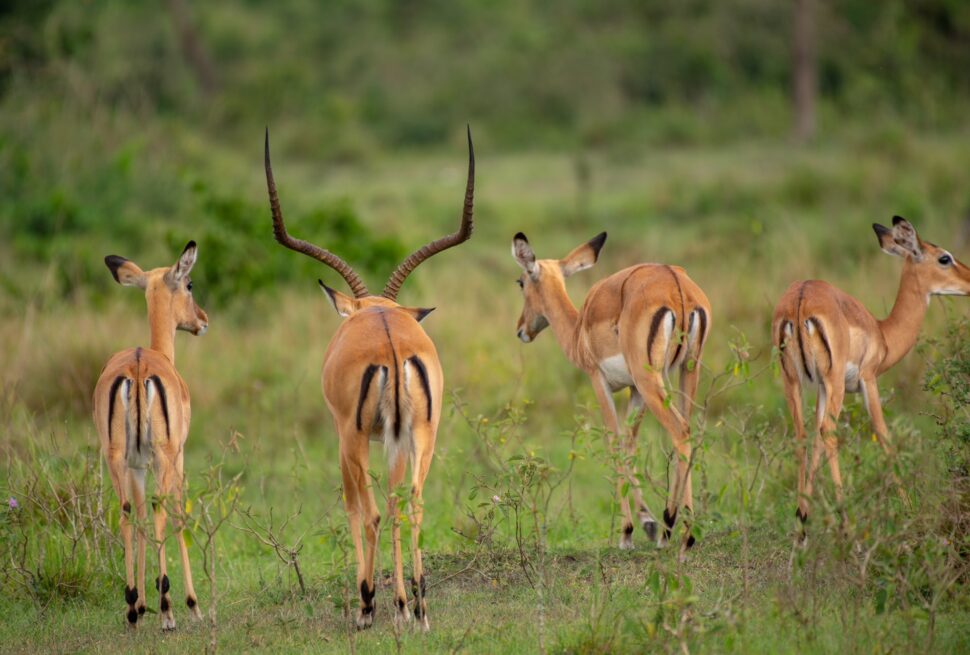
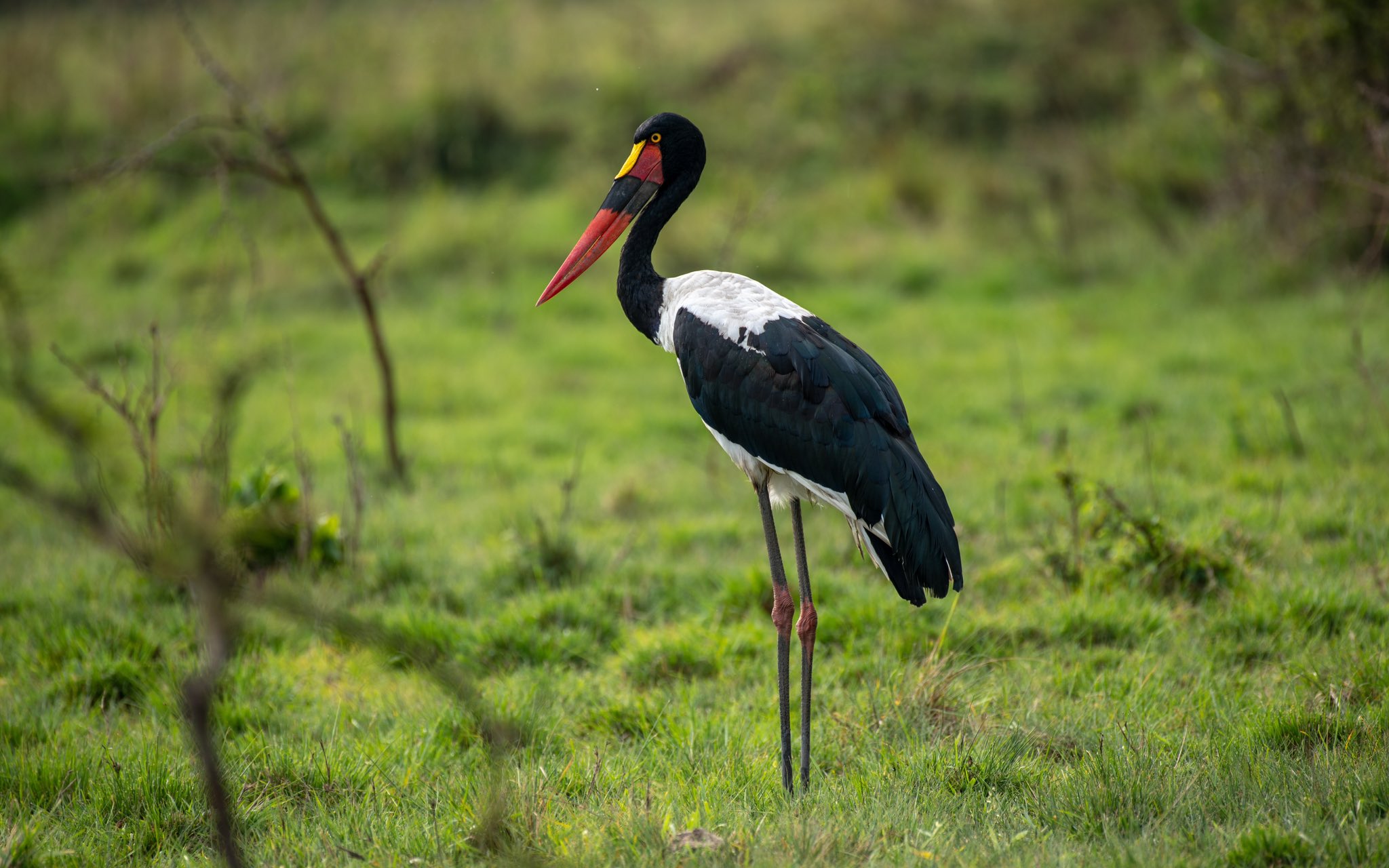
Uganda is a country of stunning natural beauty, rich cultural heritage, and extraordinary wildlife. From the misty jungles of Bwindi to the savannah plains of Murchison Falls, every corner of Uganda offers something magical. But as tourism grows, so does the responsibility of visitors to protect the environment, wildlife, and communities they encounter.
If you’re planning a Uganda safari holiday, understanding how to travel responsibly is not only important—it’s essential. In this blog, we’ll explore practical, up-to-date tips on how to be a responsible traveler during your Uganda safari tour, whether you’re gorilla trekking, visiting national parks, or interacting with local cultures.
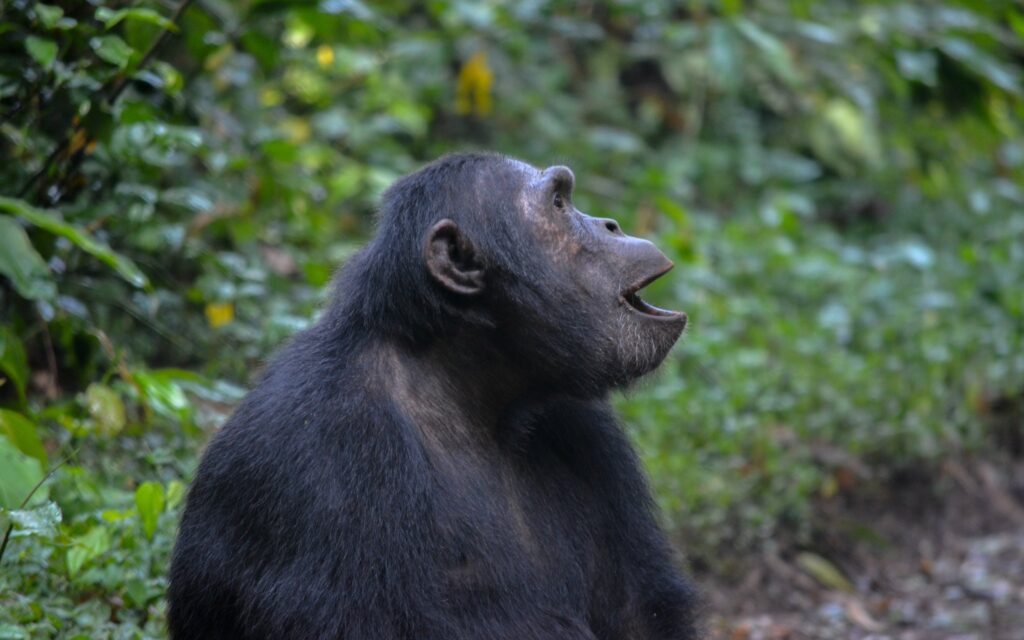
Why Responsible Travel Matters on Uganda Safari Holidays
Responsible tourism is about making a positive impact on the places you visit. It ensures that your travel:
- Supports local communities
- Conserves wildlife and ecosystems
- Respects local cultures
- Minimizes your environmental footprint
When done right, your Uganda safari becomes more than a holiday — it becomes part of a global solution to sustainable tourism.
1. Choose Ethical Gorilla Trekking Tours
Gorilla trekking Uganda safaris are one of the country’s most sought-after experiences. With fewer than 1,100 mountain gorillas left in the wild, responsible gorilla tourism is key to their survival.
✅ How to Trek Responsibly:
- Always book with a licensed tour operator like Cymo African Safaris
- Maintain a 7-meter distance from gorillas
- Never trek if you’re feeling ill — gorillas are vulnerable to human diseases
- Follow ranger instructions and never touch gorillas
- Avoid using flash photography
➡️ Learn more: 3 Days Gorilla Trekking Uganda Safari
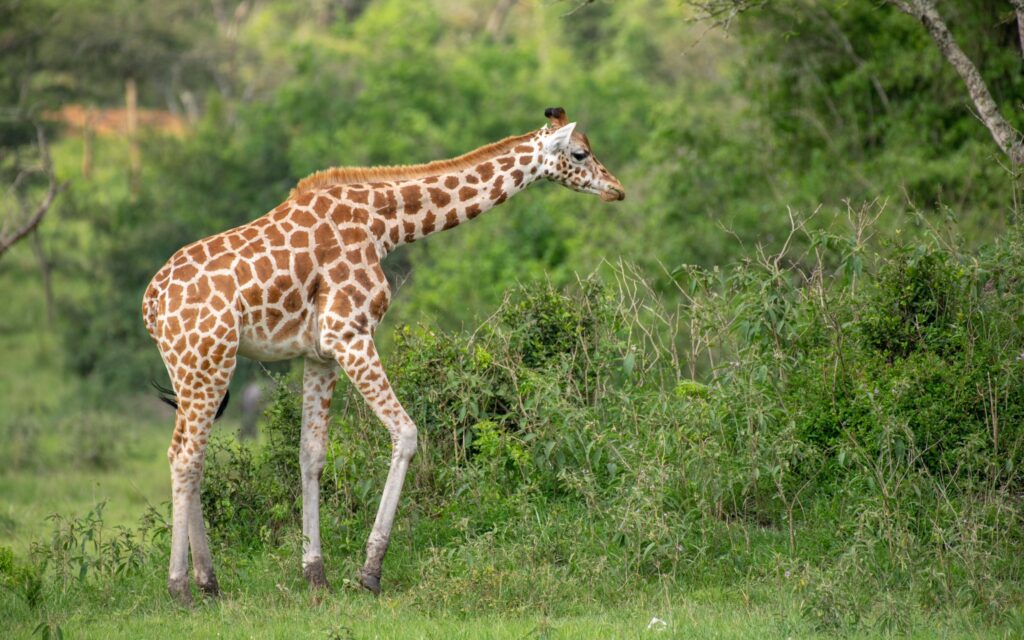
2. Respect Wildlife During Game Drives
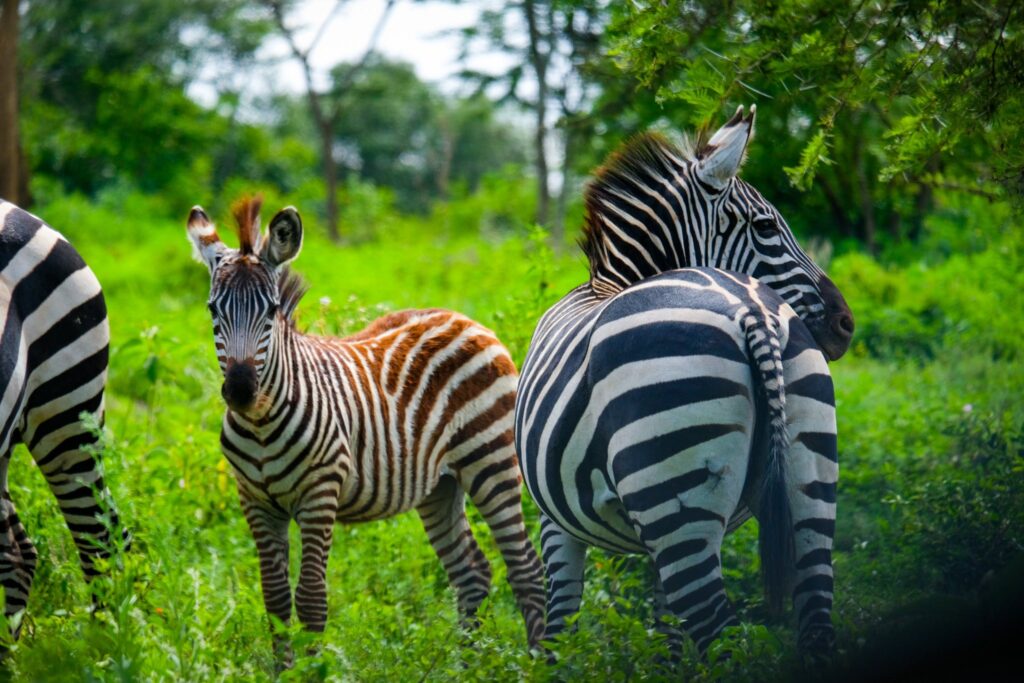
Uganda’s national parks — like Queen Elizabeth, Murchison Falls, and Kidepo Valley — are home to lions, elephants, buffaloes, leopards, and countless bird species.
Responsible Wildlife Viewing Tips:
- Stay inside your safari vehicle unless instructed otherwise
- Keep noise to a minimum
- Never feed wild animals
- Observe animals from a safe and respectful distance
- Stick to designated game tracks to protect fragile ecosystems
3. Stay in Eco-Friendly Accommodations
More lodges and camps in Uganda are now prioritizing sustainability. Staying at eco-lodges supports conservation and local development.
Look for:
- Solar-powered facilities
- Waste recycling programs
- Local staff employment and training
- Water conservation systems
- Eco-certifications
Some great examples include Rushaga Gorilla Camp, Kibale Forest Camp, and Baker’s Lodge in Murchison Falls.

4. Support Local Communities
Your travel spending can directly support Ugandan families and small businesses if you make conscious choices.
How to Give Back:
- Buy locally made crafts instead of imported souvenirs
- Eat at community-run restaurants and cafes
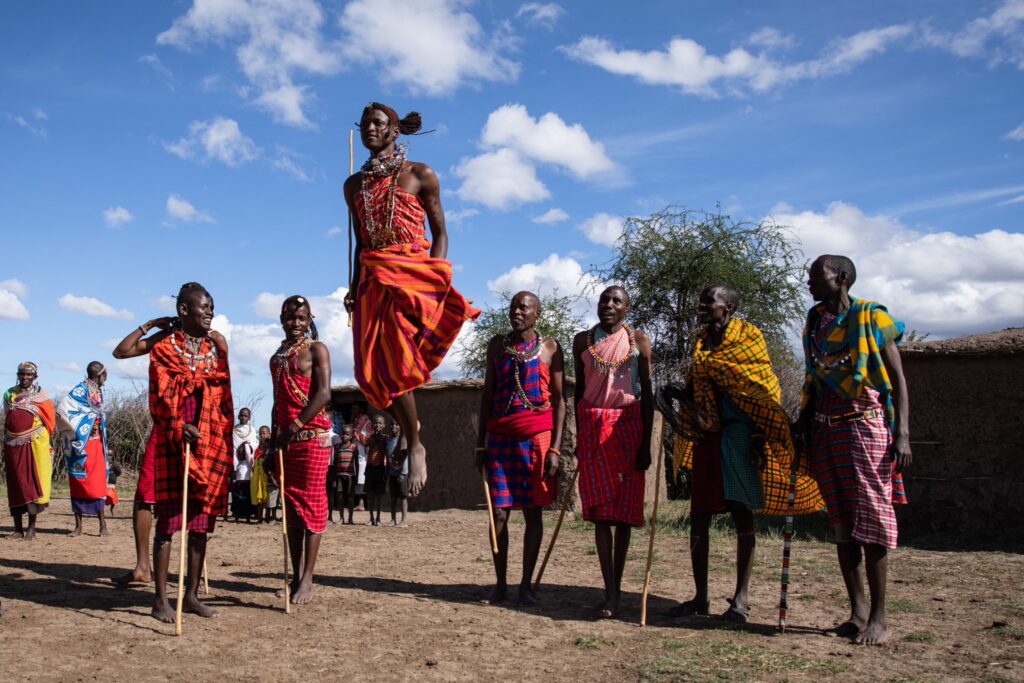
- Visit cultural villages and engage in respectful dialogue
- Choose safari companies that partner with local community projects
➡️ Many of our tours at Cymo African Safaris include cultural experiences with the Batwa people, Kikorongo Women’s Group, and community-run nature walks.
5. Minimize Your Environmental Impact
Small habits can go a long way in keeping Uganda’s natural spaces clean and safe.
Eco-friendly Travel Tips:
- Bring a reusable water bottle to reduce plastic waste
- Say no to single-use plastics (bags, straws, cutlery)
- Pack eco-friendly toiletries like biodegradable soap and shampoo
- Use a refillable sanitizer or handwash bottle
- Dispose of waste properly, even when in remote locations
6. Travel Light, Travel Smart
Overpacking adds weight to safari vehicles and planes, which increases fuel use. Travel light and pack only what you need.
Responsible Packing Tips:
- Choose neutral-colored clothing (great for blending with the environment)
- Pack reusable zip bags instead of plastic for toiletries
- Leave space to carry locally bought items
- Avoid bringing items that might disrupt wildlife (drones, noisy electronics)
➡️ Download our full Uganda Safari Holiday Packing List
7. Practice Ethical Photography
Uganda’s people and wildlife are incredibly photogenic — but that doesn’t mean everything should be captured without permission or consideration.
Photo Etiquette:
- Always ask for consent before taking photos of people, especially in rural communities
- Don’t offer money in exchange for photos — it can create dependency
- Avoid taking pictures of sensitive sites without approval
- Turn off your flash when photographing animals

8. Understand Uganda’s Customs and Laws
Being a responsible traveler means respecting local traditions, laws, and social norms.
What to Know:
- Dress modestly in towns and villages
- Greetings are important — learn a few local phrases like “Webale” (Thank you) or “Oli otya?” (How are you?)
- Public displays of affection are uncommon
- Tipping is appreciated but not mandatory — 5–10% is typical for guides and staff
9. Book With Responsible Uganda Safari Operators
Tour operators play a huge role in setting the tone for responsible tourism. A good operator prioritizes sustainability, community partnerships, and wildlife conservation.
At Cymo African Safaris, we are committed to:
- Promoting ethical gorilla trekking Uganda safaris
- Using local guides and staff
- Supporting community tourism initiatives
- Offering eco-conscious safari packages
- Encouraging guests to travel mindfully
➡️ Get in touch to plan a responsible Uganda safari holiday with us.

10. Choose Meaningful Safari Activities
Responsible travel goes beyond just watching animals — it’s about connecting meaningfully with nature and people.
Suggested Activities:
- Gorilla and chimpanzee trekking
- Nature walks with local guides
- Boat safaris with community-run projects
- Homestays or cultural performances
- Tree planting experiences with conservation groups
Final Thoughts
A Uganda safari holiday offers unforgettable experiences — but it also comes with a responsibility to leave a positive impact. From ethical gorilla trekking and wildlife viewing to supporting local businesses and reducing waste, small choices make a big difference.
By traveling responsibly, you’re not just having an amazing adventure — you’re helping protect Uganda’s future, one safari at a time.